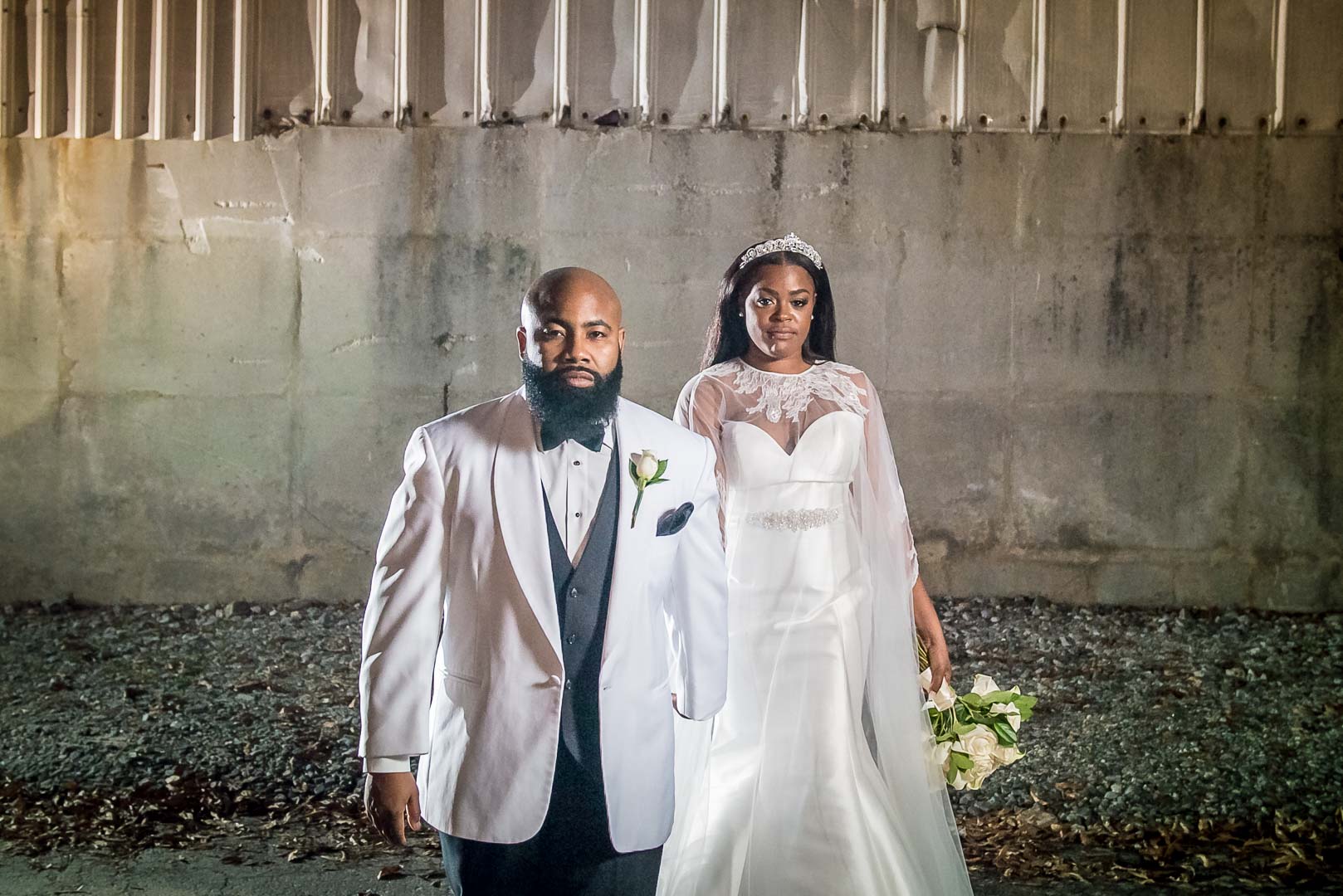
10 Essential Wedding Photography Tips for Beginners
Wedding photography is a beautiful but challenging genre that requires skill, preparation, and adaptability. As a beginner, capturing the perfect moments on someone's special day can feel daunting. However, with the right tips and techniques, you can create stunning wedding photos that tell a couple's love story. Here are 10 essential wedding photography tips for beginners:
1. Scout the Location Beforehand
One of the most important things you can do as a wedding photographer is to scout the venue before the big day. Visit both the ceremony and reception locations to:
- Identify the best lighting conditions at different times of day
- Find unique backdrops for portraits
- Plan your shooting locations and angles
- Understand the layout to navigate quickly during the event
Scouting will help you feel more confident and prepared on the wedding day.
2. Prepare Your Equipment
Wedding photography requires reliable equipment. Make sure you:
- Have at least two camera bodies (a backup in case one fails)
- Pack multiple lenses (wide-angle for group shots, prime for portraits)
- Bring extra batteries and memory cards
- Use a tripod for stable shots during ceremonies
- Carry a flash and diffuser for low-light situations
Test all your equipment before the wedding to ensure everything is working properly.
3. Master Your Camera Settings
Weddings are fast-paced, so you need to be comfortable with your camera settings:
- Use aperture priority mode (f/2.8-f/5.6) for most shots to control depth of field
- Set a fast shutter speed (1/250s or faster) for moving subjects
- Adjust ISO as needed (keep it as low as possible to minimize noise)
- Learn to use manual mode for tricky lighting situations
Practice in different lighting conditions to become proficient with your settings.
4. Capture the Candid Moments
Some of the most memorable wedding photos are candid shots. Be ready to capture:
- The groom's reaction when he sees the bride
- Emotional moments between family members
- Guests laughing and enjoying themselves
- Quiet, intimate moments between the couple
Keep your camera ready at all times and use a long lens to capture candid moments without being intrusive.
5. Shoot in RAW Format
RAW format gives you more flexibility during post-processing. It allows you to:
- Adjust exposure and white balance without losing quality
- Recover details from overexposed or underexposed areas
- Enhance colors and contrast
- Create a consistent look across all photos
While RAW files take up more space, the editing flexibility they provide is worth it.
6. Focus on the Details
Don't forget to capture the small details that make each wedding unique:
- The wedding rings and bouquet
- Table settings and decorations
- The wedding dress and suit
- Personal touches that reflect the couple's personality
These detail shots add depth to the wedding album and help tell the complete story.
7. Learn to Use Natural Light
Natural light can create beautiful, soft photos. When shooting outdoors:
- Shoot during the golden hour (1 hour after sunrise or before sunset)
- Use shade to avoid harsh shadows
- Position subjects so the light is flattering
- Use a reflector to bounce light onto your subject
Understanding natural light will help you create stunning photos without relying heavily on flash.
8. Communicate with the Couple
Good communication with the couple is essential for a successful wedding shoot. Make sure you:
- Discuss their vision and expectations beforehand
- Create a shot list together (family portraits, specific moments they want captured)
- Ask about any cultural or religious traditions you should know about
- Check in with them throughout the day to ensure they're happy
Building a good relationship with the couple will help them feel more comfortable in front of the camera.
9. Be Prepared for Anything
Weddings are unpredictable. Be ready to adapt to:
- Unexpected weather changes
- Delays in the schedule
- Tricky lighting situations
- Last-minute requests from the couple or family
Stay calm and flexible, and have backup plans in place.
10. Edit Your Photos Consistently
Post-processing is an important part of wedding photography. Develop a consistent editing style that:
- Enhances the mood of the photos
- Maintains the natural look of the day
- Creates a cohesive album
Consider using presets to speed up your workflow while maintaining consistency.
By following these 10 essential tips, you'll be well on your way to capturing beautiful wedding photos that the couple will cherish for a lifetime. Remember, practice makes perfect, so don't be too hard on yourself when you're starting out. Each wedding is a learning opportunity to improve your skills and develop your unique style.
8 Comments
Sarah Johnson
June 15, 2025 ReplyThese are great tips! As a beginner, I've been nervous about shooting my first wedding. This article has given me the confidence to go out there and capture some amazing moments. Thank you!
Michael Chen
June 16, 2025 ReplyI especially liked the tip about scouting the location beforehand. I did that for my last shoot and it made a huge difference. I was able to plan my shots and find the best lighting spots. Great advice!
Leave a Comment