
The Ultimate Guide to Wedding Venue Selection: A Comprehensive Resource for Couples
Selecting the perfect wedding venue is one of the most significant decisions in the wedding planning process. It sets the tone for your entire celebration, influences your guest experience, and impacts nearly every other aspect of your wedding day. This comprehensive guide will walk you through every step of the venue selection journey, from defining your vision to signing the contract.
Defining Your Wedding Vision and Priorities
Before you begin touring venues, it's essential to clarify your wedding vision and priorities. Start by discussing with your partner what kind of atmosphere you want to create. Are you dreaming of a rustic barn wedding, an elegant ballroom affair, a beachside ceremony, or an intimate garden celebration?
Key factors to consider include your preferred wedding style—whether rustic, modern, traditional, bohemian, or something entirely unique. Think about whether you lean toward indoor or outdoor settings, and how your guest count might influence the intimacy level you desire. The season and time of day will also play significant roles in venue selection, as will the location itself—whether you're planning a local celebration, a destination wedding, or tying the knot in a place that holds special meaning for both of you.
Understanding Venue Types and Their Unique Characteristics
Wedding venues come in various types, each offering distinct advantages and considerations. Understanding these differences will help you narrow down your options and find a space that truly aligns with your vision.
Ballrooms and Banquet Halls
Ballrooms are ideal for couples seeking elegance, grandeur, and all-inclusive services. These venues typically offer climate control and weather protection, ensuring your celebration goes smoothly regardless of external conditions. With built-in lighting and sound systems, you'll have everything needed to create a polished atmosphere. Many ballrooms also provide on-site catering and event coordination, simplifying your planning process. Their formal ambiance makes them perfect for black-tie weddings and sophisticated celebrations.
Barn and Rustic Venues
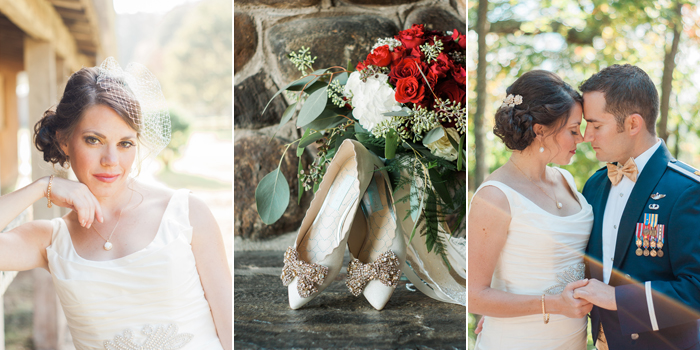
Rustic venues appeal to couples wanting a warm, cozy, and nature-inspired setting. Characterized by exposed wood, stone elements, and natural textures, these spaces exude charm and authenticity. Many feature scenic outdoor areas for ceremonies, allowing you to exchange vows surrounded by natural beauty. Rustic venues often provide more flexibility with vendors, giving you greater creative control over your day. The laid-back atmosphere creates a relaxed environment where guests can comfortably celebrate.
Outdoor and Garden Venues
Gardens, vineyards, and other outdoor spaces offer stunning natural backdrops for your wedding photos. The beauty of these venues lies in their ever-changing scenery, though seasonal considerations—such as flower blooms and weather patterns—should be taken into account. It's important to ensure there's backup indoor space available in case of inclement weather. Additionally, venue managers often implement pest control measures and provide guest comfort solutions to ensure everyone enjoys the celebration fully.
Unique and Non-Traditional Venues
For couples wanting something truly distinctive, consider museums, art galleries, historic homes, wineries, or even private estates. These venues offer one-of-a-kind architectural features that can serve as striking backdrops for your celebration. They provide unique opportunities for personalized storytelling, allowing you to incorporate elements of the venue's history or character into your wedding theme. While these spaces create memorable guest experiences, it's important to inquire about potential licensing and insurance requirements that may apply.
Budget Considerations for Venue Selection
The venue typically accounts for 40-50% of the total wedding budget, so understanding costs is critical. Be sure to inquire about all potential expenses upfront to avoid unexpected surprises.
Base Rental Fee
This is the core cost of securing the venue for your date. Prices can vary significantly based on several factors: day of the week (weekends are usually more expensive), season (peak wedding season commands higher rates), and duration of rental (whether you're booking for ceremony and reception or just the reception). Understanding these variables can help you find cost-saving opportunities.
Additional Fees and Charges
Don't overlook potential costs that can significantly impact your budget. Many venues have catering and bar minimums you'll need to meet. Service charges and gratuity—typically ranging from 18-22%—are often added to your final bill, along with applicable taxes. You'll also want to ask about security deposits, setup and breakdown fees, overtime charges, and equipment rental costs for items like chairs, tables, and linens. Being aware of all these expenses upfront will help you create a more accurate budget.
By Qomaxia Wedding Planners"The venue is the foundation of your wedding day. Choosing wisely based on your vision, guest needs, and budget will set the stage for an unforgettable celebration."
Guest Experience and Practical Considerations
When evaluating venues, it's crucial to think about your guests' comfort and overall experience. Start by assessing accessibility—ensure the venue can accommodate all guests, including those with disabilities. Adequate parking or alternative transportation options like shuttles should be available, and it's helpful if there are nearby hotels for out-of-town guests.
Examine the venue's layout and how guests will move through the space. Look for a natural progression from ceremony to cocktail hour to reception, with clear pathways between areas. Ideally, the venue should offer separate spaces for dancing, dining, and mingling, allowing guests to choose how they want to participate in the celebration.
Consider the amenities and services each venue provides. Look for spaces like a bridal suite and groom's lounge where you and your wedding party can prepare and relax before the ceremony. Clean, well-maintained restroom facilities are essential, and coat check services are particularly valuable for winter weddings. Having an on-site coordinator or event manager can also make a significant difference in the smooth execution of your day.
The Venue Tour and Evaluation Process
Once you've narrowed down your options, schedule tours with potential venues. Come prepared with a list of must-have questions and bring a camera to document each space. A notebook will help you jot down observations and compare venues later. If you're working with a wedding planner, bring them along—their expertise can be invaluable during this process.
During each tour, pay close attention to the venue's flexibility in accommodating your vision. Observe how responsive and knowledgeable the staff are, as their support will be crucial on your wedding day. Trust your instincts as you evaluate each space—you'll likely know when you've found the right venue that feels like a perfect match for your celebration.
Making the Final Decision and Booking
After touring all your potential venues, take time to compare them based on your priorities, budget, and overall impression. Once you've made your choice, it's important to review the contract carefully before signing anything. Ensure all verbal agreements are included in writing, and make sure you fully understand the cancellation and rescheduling policies.
To secure your date, you'll typically need to pay a required deposit. Be sure to confirm the timeline for final payments and any payment schedules that may apply. Keeping open communication with the venue coordinator during this process will help ensure everything is in place for your special day.
Maximizing Your Venue Investment
Once you've booked your venue, there are several ways to make the most of your investment. Schedule a final walkthrough 30-60 days before the wedding to confirm all details and address any last-minute questions or concerns. Maintain clear communication with your venue coordinator, sharing all relevant information about your plans, vendors, and timeline.
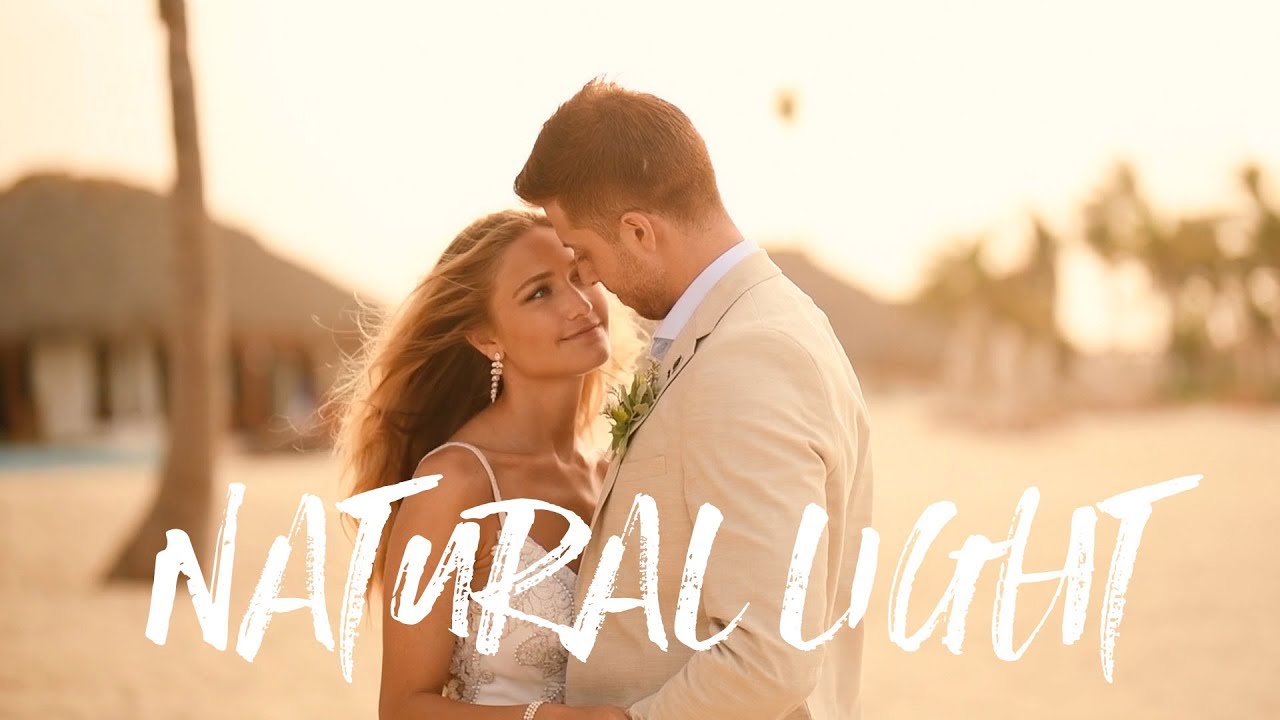
When planning your layout and decor, focus on enhancing the venue's best features rather than trying to completely transform the space. Consider how the venue's natural lighting will affect your photography, and work with your photographer to identify the best spots for portraits and group photos. By thoughtful planning and collaboration with your venue team, you can create a beautiful celebration that truly showcases both your love story and the venue's unique charm.
Remember that the perfect venue is one that aligns with your vision, accommodates your guests comfortably, and fits within your budget. By following this comprehensive guide, you'll be well-equipped to make an informed decision that will set the stage for your dream wedding day.





Emily Thompson
January 18 2025These wedding photography tips are absolutely amazing! We're getting married next year and your advice on capturing candid moments has really helped us understand what to look for in a photographer. Thank you for sharing your expertise!
ReplyRobert Miller
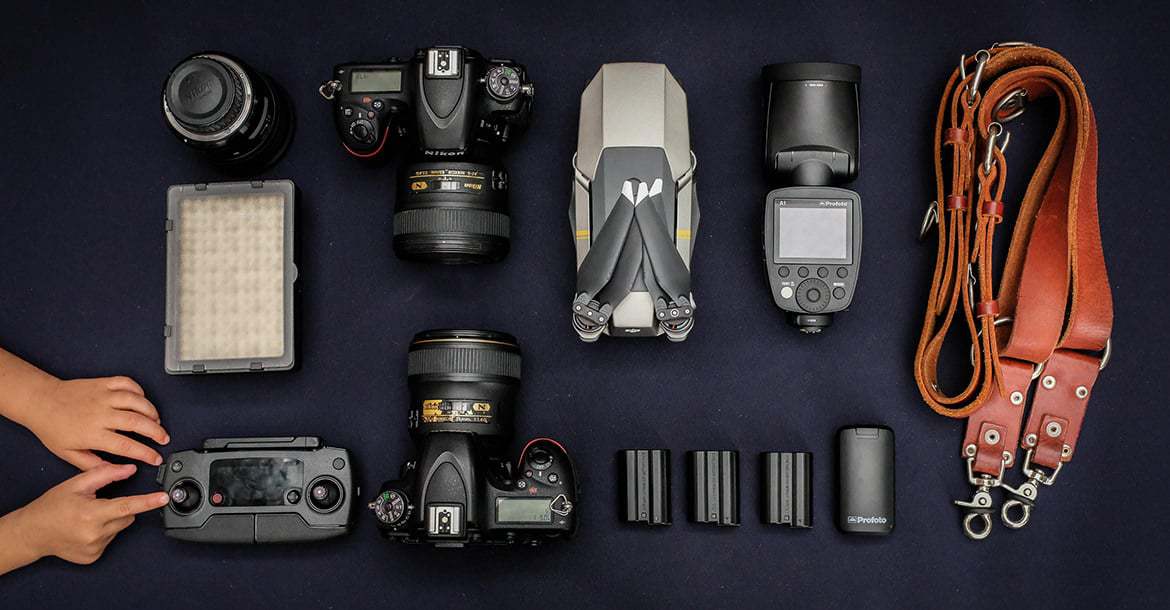
January 16 2025As an aspiring wedding photographer, I found your article incredibly helpful. Your tips on lighting and gear have given me a clear direction on what equipment to invest in. The section on building client relationships is especially valuable!
Reply