Evan and Noah encountered their first serious conflict not over finances, living arrangements, or future plans—but over the wedding itself. Evan thrived in social environments. Large groups energized him. Noise felt like life. Noah experienced the same environments as depletion. Extended interaction required recovery. Performance came at a cost. Neither temperament was a problem. The conflict emerged when tradition assumed one of them should adapt. Most wedding templates are built around extroversion: long receptions, open-ended mingling, multiple speeches, constant visibility. For Noah, this design felt less like celebration and more like endurance. Initially, Noah minimized his discomfort. He assumed weddings were supposed to be overwhelming. Evan, sensing resistance, worried he was being asked to shrink his joy. What shifted the conversation was reframing the issue from preference to capacity. From a psychological perspective, introversion is not shyness, and extroversion is not dominance. They describe how individuals regulate energy. Ignoring this distinction often leads to emotional exhaustion—especially on high-stakes days. Once this language entered their planning process, solutions emerged. Rather than eliminating social elements, they redesigned the rhythm of the day. The ceremony was kept intentionally brief and focused. Speeches were limited and scheduled rather than spontaneous. Quiet transitions were built in—private moments between ceremony and reception, a short walk alone, a closed room with no expectations. These pauses functioned as emotional resets. Importantly, Evan’s social needs were not dismissed. The reception included a clear window for celebration—music, dancing, shared energy—after Noah had time to recover. Guests noticed the structure without feeling constrained. In fact, many commented on how intentional the flow felt. From my observation, weddings that respect nervous system differences tend to feel calmer, even when they are joyful. Tension often arises not from scale, but from overload. Noah later reflected that knowing there was permission to step away allowed him to be more present when he returned. This insight matters. Inclusion does not require constant availability. Presence is not measured by endurance. Evan, in turn, realized that designing for Noah’s capacity did not diminish the celebration—it deepened it. There was less forced performance, more authentic connection. Their vows reflected this mutual understanding. They spoke about learning when to invite and when to protect, when to lean in and when to step back. The language was simple, grounded, and specific. From a broader perspective, this wedding challenges the assumption that tradition equals universality. Traditions are frameworks—not mandates. When couples design ceremonies that reflect temperament rather than expectation, the result is often not smaller, but truer. In conclusion, Evan and Noah’s wedding demonstrates that accommodation is not concession. It is attunement. By honoring difference rather than erasing it, they created a celebration that was not only sustainable—but deeply humane.
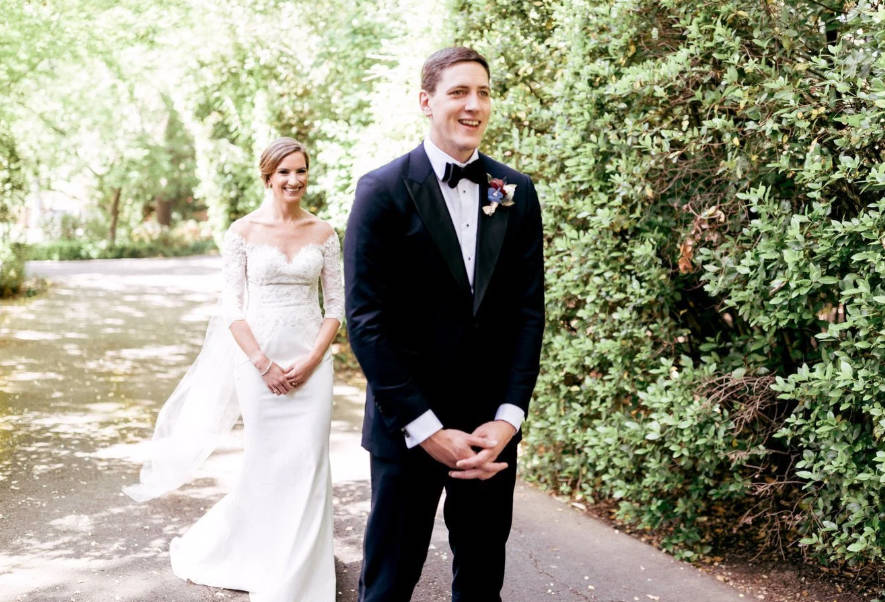
When One Partner Is Introverted and the Wedding Is Not

Comments (12)
Jessica Miller
What a beautiful wedding! The rustic details are absolutely stunning. Congratulations to the happy couple!
David Thompson
Love the outdoor ceremony! The photos are gorgeous. Wishing Sarah and Michael a lifetime of happiness.