Cross-cultural weddings are often portrayed as visually rich but emotionally simplified—two outfits, two ceremonies, and a surface-level celebration of difference. In reality, the wedding of Lina and Arjun revealed how complex, and at times uncomfortable, true cultural integration can be. I was involved not only as a documentarian but as a witness to months of negotiation. Lina, raised in Sweden, valued minimalism and emotional restraint. Arjun, from a close-knit Indian family, came from a tradition where weddings function as public affirmations of community. Early planning meetings exposed tension: guest list size, ritual hierarchy, even music volume became symbolic battlegrounds. What distinguished this wedding was the couple’s refusal to flatten either culture for convenience. Instead of merging traditions arbitrarily, they examined the meaning behind each one. Why was a certain ritual important? Who did it serve? What would be lost if it were removed? The ceremony unfolded in layers. Rather than two separate weddings, they designed one integrated narrative. Silence and stillness alternated with color and sound. Guests were guided, not overwhelmed. From a professional lens, this demonstrated a rare level of intentional design rooted in respect rather than aesthetics. Emotionally, the most powerful moment came not from ritual, but from reconciliation. Lina’s father, initially resistant to unfamiliar customs, later admitted that understanding the symbolism changed how he perceived the marriage itself. This highlighted an often-overlooked truth: weddings educate as much as they celebrate. From an expertise standpoint, I have seen many multicultural weddings fail because they prioritize visual balance over emotional coherence. This wedding succeeded because it treated culture as lived experience, not decorative reference. My conclusion is grounded in observation and experience: cultural integrity cannot be outsourced to planners or Pinterest boards. It requires dialogue, discomfort, and mutual curiosity. When couples commit to that work, the wedding becomes more than a compromise—it becomes a shared language. This story reinforced my belief that weddings, at their best, are acts of translation. They translate personal identity into collective understanding. And when done honestly, they expand not only families, but perspectives.
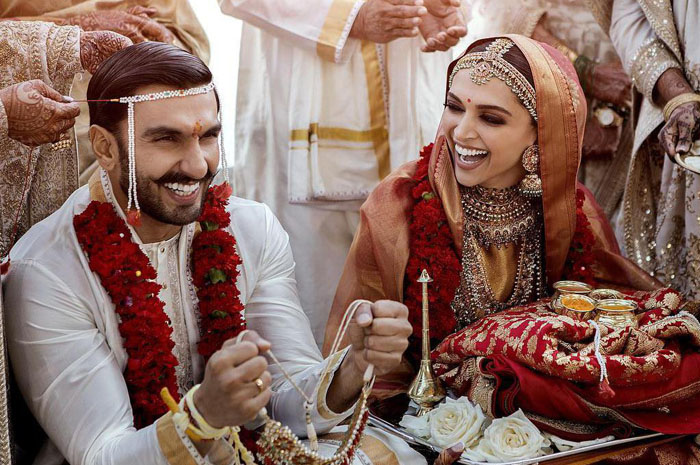
When Cultures Meet at the Altar: Navigating Identity in a Cross-Cultural Wedding

Comments (12)
Jessica Miller
What a beautiful wedding! The rustic details are absolutely stunning. Congratulations to the happy couple!
David Thompson
Love the outdoor ceremony! The photos are gorgeous. Wishing Sarah and Michael a lifetime of happiness.