Planning a wedding day photography timeline requires careful thought detailed preparation and adaptive flexibility Couples often underestimate the complexity of managing photography during a full wedding day from preparation through ceremony to reception Each segment of the day presents unique challenges and opportunities and the role of the photographer is to anticipate plan and capture every critical moment without disrupting the natural flow Developing a timeline begins with identifying the key moments that must be captured These typically include preparation of the couple and close family first look sessions if chosen the ceremony itself formal group portraits couple portraits and reception highlights Each of these segments requires a balance of allocated time and contingency buffers because weddings rarely run exactly on schedule Overly rigid timelines can create stress and reduce opportunities for natural candid moments whereas too loose a schedule may result in missed events or chaotic coverage Lighting plays a crucial role in determining the timeline Photographers must consider the quality and direction of natural light at various times of day and plan important portraits or ceremony shots accordingly Understanding the layout of venues and access restrictions is equally important to ensure smooth transitions between locations Timing should also consider guest flow and pacing Photographers need to be positioned strategically in advance to capture interactions without obstructing guests or ceremony proceedings Flexibility is essential because unexpected changes such as delays in transportation sudden weather shifts or extended speeches can occur and the photographer must adapt while maintaining narrative coherence Communication between the couple the wedding planner and the photographer is critical Clear expectations about which moments are essential which moments are optional and how formal or candid images should be prioritized helps avoid misunderstandings and ensures that time is allocated effectively The timeline should also include preparation for post ceremony photography such as family portraits or creative couple portraits allowing for optimal lighting conditions and minimal disruption to the reception schedule Incorporating buffer times provides opportunities to capture spontaneous moments that often become the most cherished images Couples should consider pre wedding meetings with their photographer to discuss the desired coverage style and review the timeline in detail to align on priorities and expectations Experienced photographers also bring the ability to anticipate moments that may not be on the couples radar subtle interactions between guests emotional reactions during vows and unplanned gestures that enhance storytelling Furthermore photographers can provide guidance on pacing to optimize the flow of the day for both photography and overall event management Evaluating past full wedding galleries from the photographer allows couples to understand how timelines were managed and how effectively the photographer captured moments under similar conditions In summary developing a wedding day photography timeline is not simply about scheduling it is about strategic planning communication adaptability anticipation and creativity A thoughtfully constructed timeline ensures that essential moments are captured efficiently that the flow of the day remains smooth and that the final photographs provide a comprehensive emotionally resonant narrative of the wedding day beyond mere documentation
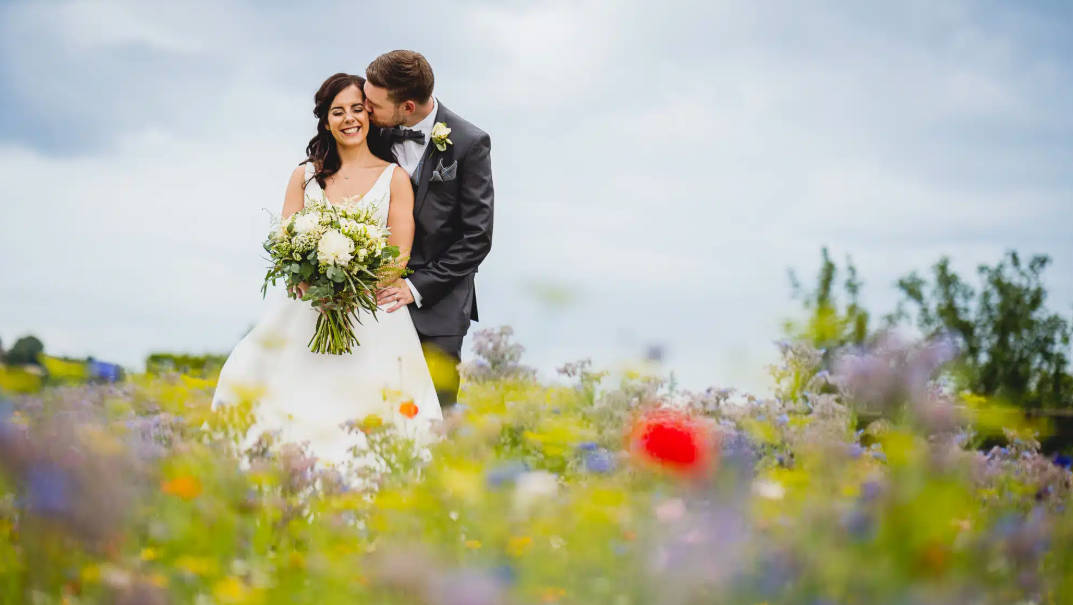
Wedding Day Photography Timeline Planning for Coverage

Comments (12)
Jessica Miller
What a beautiful wedding! The rustic details are absolutely stunning. Congratulations to the happy couple!
David Thompson
Love the outdoor ceremony! The photos are gorgeous. Wishing Sarah and Michael a lifetime of happiness.