When Lena and Victor told their families they were planning a destination wedding, the reaction was predictable. People assumed it was about scenery, novelty, or spectacle. Some assumed it was indulgent. Others quietly suspected avoidance. None of those interpretations were entirely wrong—but none captured the truth. Lena and Victor did not choose a destination wedding because they wanted palm trees, old stone villas, or dramatic photographs. They chose distance because proximity had become emotionally expensive. Both came from large, tightly woven families with strong opinions about weddings—guest lists, rituals, seating hierarchies, symbolic gestures. Early planning conversations quickly became negotiations rather than reflections of the relationship. Every decision carried unspoken expectations. Every choice felt like a referendum. At one point, Lena described feeling as though the wedding was no longer about her and Victor at all, but about maintaining emotional equilibrium among dozens of people. Victor articulated the problem more directly: "If everyone is invited, we won’t be present. We’ll be managing." That sentence became pivotal. From a relational standpoint, emotional bandwidth is finite. Weddings, particularly large ones, often demand extensive emotional labor—anticipating reactions, smoothing tensions, managing disappointment. For some couples, this labor eclipses meaning. The idea of marrying abroad emerged not as fantasy, but as boundary-setting. By choosing a location that required time, expense, and effort to attend, Lena and Victor created a natural filter. Attendance became intentional rather than obligatory. This was not exclusion by confrontation, but by choice. Importantly, they communicated this decision transparently. They did not frame the destination as a "dream location." They framed it as a need for intimacy. This clarity reduced resentment. Those who attended understood they were there because they wanted to be—not because they were expected to be. The ceremony itself reflected this shift. With a smaller group, the tone changed immediately. There was less performance and more presence. Instead of projecting their voices outward, Lena and Victor spoke inward—to each other, and to the people who knew their story. The vows referenced shared experiences rather than abstract ideals. They spoke about learning when to withdraw and when to re-engage, about the cost of avoidance, and about choosing conversation over silence. From years of observing wedding dynamics, I can state with confidence: scale directly affects emotional texture. Smaller gatherings allow for nuance. They tolerate quiet. They leave room for complexity. Guests later described feeling unusually included—not because they were entertained, but because they were addressed. There was time for conversation. Meals were unhurried. People lingered without feeling managed. Lena later reflected that the physical distance of the wedding created emotional closeness. Without the constant awareness of who was missing, she could finally be present with who was there. This is a critical insight. Large weddings often fracture attention. Smaller ones concentrate it. Critically, the destination did not eliminate difficulty—it transformed it. There were still moments of sadness for those who could not attend. But those emotions were acknowledged rather than suppressed. The couple resisted the urge to justify their choice excessively. They trusted it. From an analytical perspective, destination weddings are often mischaracterized as escapism. In reality, they can function as intentional design tools—reshaping social dynamics through logistical constraint. Lena and Victor did not escape responsibility. They redefined it. Their wedding was not about leaving people out. It was about protecting the emotional integrity of the moment. In conclusion, this story challenges the assumption that distance diminishes meaning. Sometimes, distance clarifies it. Lena and Victor’s wedding demonstrates that intimacy is not determined by geography, but by intentionality. The destination was not the point. The boundary was. And within that boundary, they finally had the space to be fully present—together.
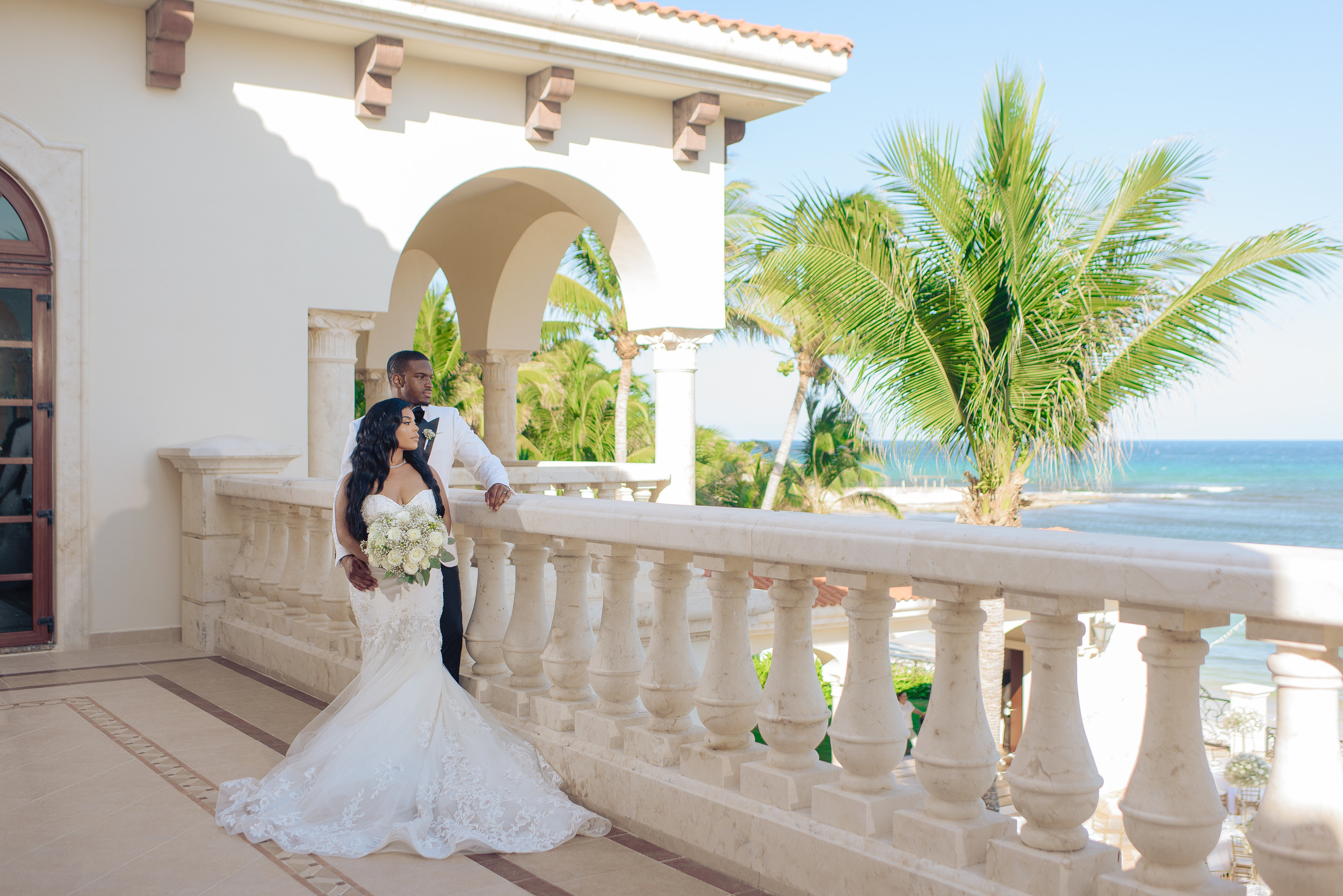
The Destination Wedding That Wasn’t About the Destination

Comments (12)
Jessica Miller
What a beautiful wedding! The rustic details are absolutely stunning. Congratulations to the happy couple!
David Thompson
Love the outdoor ceremony! The photos are gorgeous. Wishing Sarah and Michael a lifetime of happiness.