Managing the flow of a wedding day requires a sophisticated understanding of human behavior, logistical coordination, and technical photography practices, and it is a critical component for creating a coherent, emotionally rich, and visually compelling wedding gallery. Couples invest months or even years in planning their wedding, and the photographer’s ability to integrate seamlessly into the day’s timeline while remaining responsive to unfolding events is essential for capturing both the planned and spontaneous moments that define the experience. Successful photographers establish a rhythm that balances structure with flexibility, ensuring that no significant moment is missed while allowing room for natural interaction, unplanned gestures, and emotional peaks. Effective planning begins with a comprehensive timeline that includes pre-wedding preparation, transportation, ceremony, formal portraits, reception activities, and transitions between locations, while leaving buffer periods to absorb delays, spontaneous events, or environmental changes. Photographers must continuously read social cues, anticipate reactions, and dynamically adjust their positioning, lens choice, aperture, shutter speed, ISO, and focus modes to accommodate evolving lighting conditions, movement of subjects, and spatial constraints. Capturing emotional highs such as first looks, parental reactions, friends’ laughter, and intimate glances between the couple demands anticipatory observation, rapid reflexes, and strategic foresight, ensuring that no critical moment goes undocumented. Workflow management extends beyond shot acquisition to include coordination with videographers or assistants, prioritizing sequences, and deciding when to capture candid versus formal imagery, all while maintaining narrative coherence across the day. Photographers also provide guidance to couples on scheduling moments that optimize photographic opportunities without interrupting the natural progression of the event, such as brief pauses for family portraits, staged group shots, or intimate couple interludes within an otherwise candid flow. Lighting strategies are chosen based on venue characteristics, ambient conditions, and desired emotional effect, incorporating natural light, venue fixtures, reflectors, or portable artificial lighting to ensure consistency, clarity, and color fidelity across images. Composition principles, including framing, perspective, depth, and leading lines, are applied thoughtfully to convey both aesthetic quality and narrative intent, highlighting emotional significance and spatial relationships between participants. Timing is further refined by tracking energy levels of the couple, family members, and guests, recognizing that the peak engagement moments are often interspersed with periods of lower activity or informal interaction that nevertheless hold photographic potential. Post-production sequencing builds upon this structured yet dynamic approach, arranging images to reflect emotional rhythm, highlight crescendos and reflective intervals, and maintain visual continuity from preparation through ceremony and celebration to final farewells. By mastering the interplay between timing, emotional intelligence, technical execution, and creative judgment, photographers deliver a gallery that not only documents the sequence of events but also captures the lived experience, atmosphere, and emotional resonance of the day. The resulting images provide couples with a lasting memory that is both aesthetically refined and deeply evocative, preserving the narrative, energy, and human connection of their wedding in a way that can be revisited for years to come.
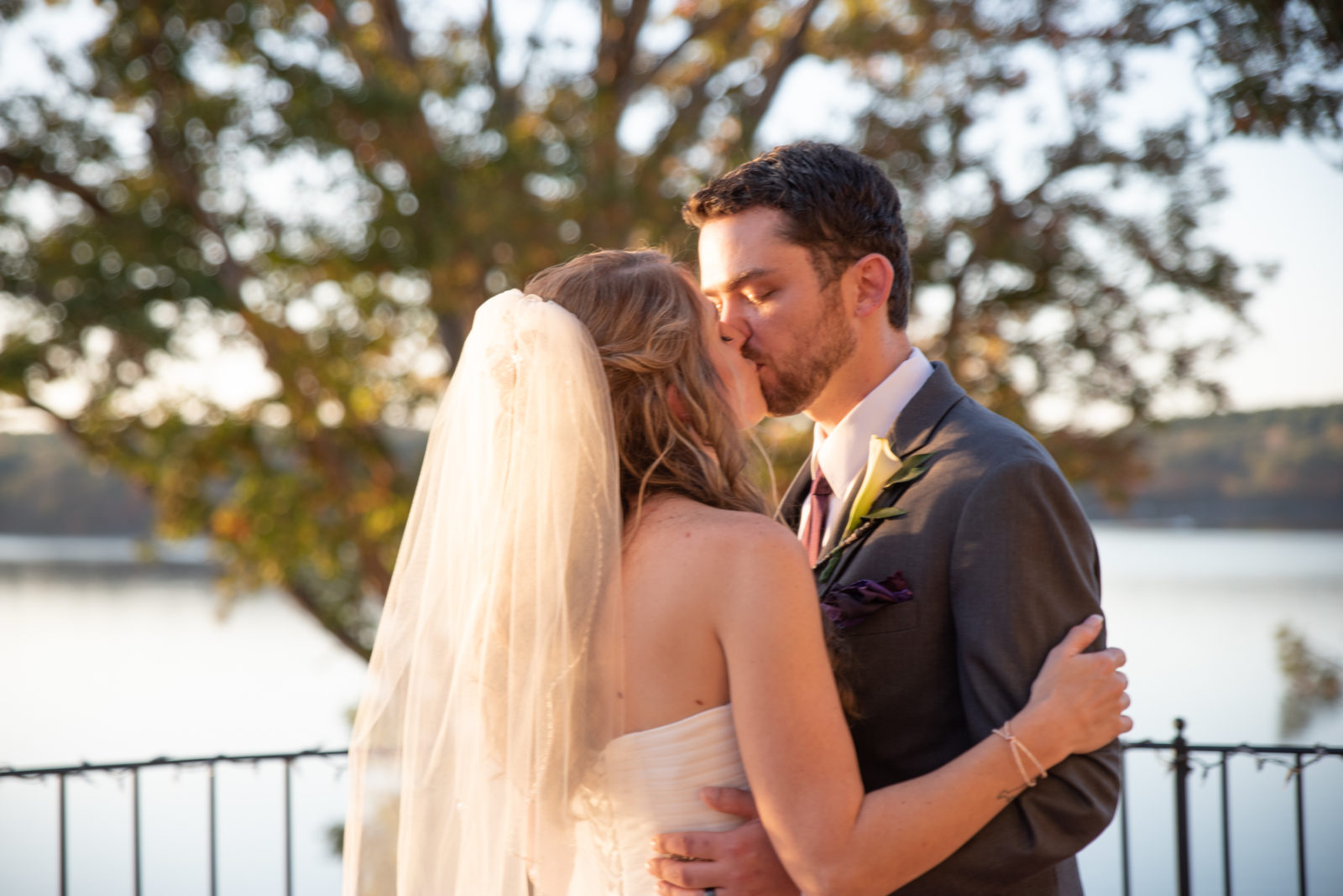
Managing Wedding Day Flow and Emotional Rhythm
Comments (12)
Jessica Miller
What a beautiful wedding! The rustic details are absolutely stunning. Congratulations to the happy couple!
David Thompson
Love the outdoor ceremony! The photos are gorgeous. Wishing Sarah and Michael a lifetime of happiness.