Lena and Priya never described their relationship as something that emerged suddenly. Instead, they spoke of it as something that grew gradually out of shared friendships, overlapping communities, and years of collective history. Romance came later; friendship was the foundation. When they began planning their wedding, they were clear about one thing: they did not want a ceremony that elevated their partnership while sidelining the people who had made that partnership possible. For them, friendship was not decorative. It was structural. This intention reshaped every design decision. Rather than assigning friends to peripheral roles, Lena and Priya invited them into the emotional core of the day. There were no traditional witnesses standing silently at the edge of the ceremony. Instead, the ceremony included collective affirmations—spoken commitments from friends who had witnessed the relationship evolve over time. From an experiential design perspective, this was a radical redistribution of emotional weight. Weddings often isolate responsibility onto the couple: two people bearing symbolic permanence alone. Here, responsibility was shared. The message was implicit but powerful: love does not survive in isolation. As someone who has observed many weddings over the years, I have noticed that ceremonies centered exclusively on romantic symbolism often feel fragile. They rely heavily on performance and idealization. In contrast, weddings embedded in friendship networks feel resilient. They acknowledge that intimacy is sustained by community. The reception reinforced this philosophy. Instead of formal seating based on family hierarchy, guests were grouped by shared history. Tables became timelines—university years, first apartments, career transitions, losses survived together. Conversations unfolded organically, anchored in memory rather than obligation. There was no staged entertainment. The emotional energy came from storytelling. Friends spoke not about destiny, but about continuity: how Lena showed up during grief, how Priya learned to ask for help, how their bond expanded rather than contracted over time. This structure had a noticeable effect. Guests reported feeling unusually included, even those meeting the couple for the first time. The absence of rigid formality created psychological safety. People did not feel like observers; they felt like participants. From an analytical standpoint, this aligns with research on relational resilience. Couples embedded in dense social networks report higher perceived support and lower relational stress during major life transitions. Lena and Priya’s wedding demonstrated this principle not as theory, but as lived experience. The ceremony did not dramatize love—it contextualized it. In conclusion, their wedding challenged a dominant narrative. Love was not portrayed as a self-sufficient force, but as something maintained by friendship, accountability, and shared history. The result was a ceremony that felt grounded, honest, and emotionally durable. This wedding did not celebrate isolation disguised as romance. It celebrated interdependence—and that made all the difference.
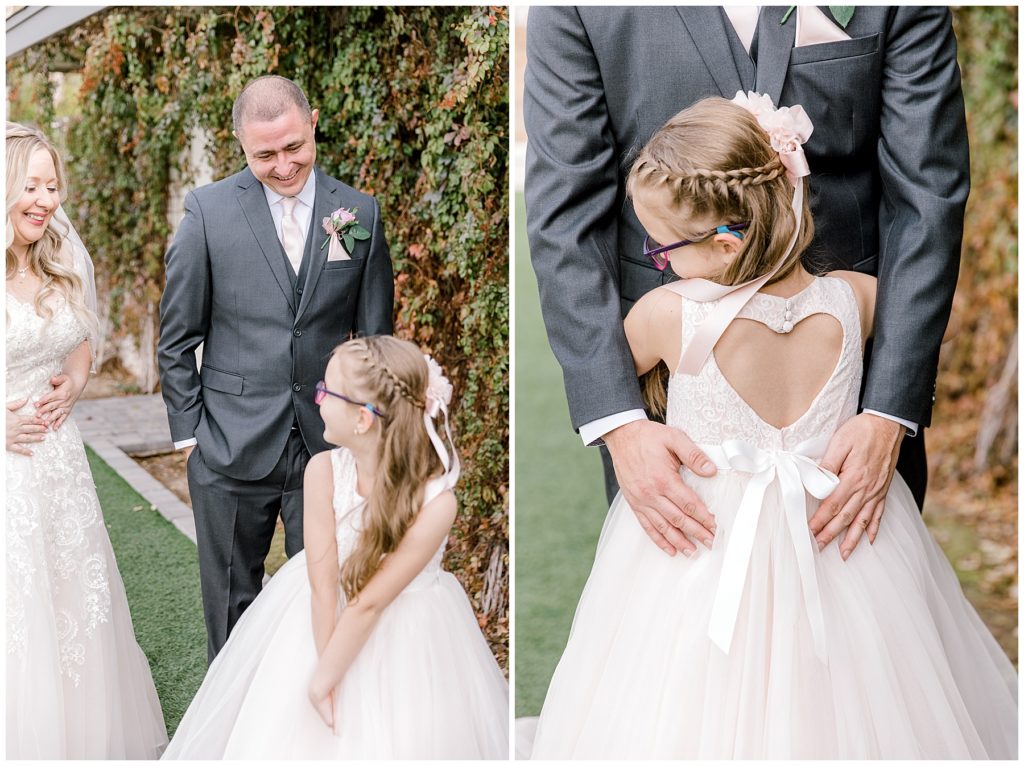
Designing a Wedding Around Friendship

Comments (12)
Jessica Miller
What a beautiful wedding! The rustic details are absolutely stunning. Congratulations to the happy couple!
David Thompson
Love the outdoor ceremony! The photos are gorgeous. Wishing Sarah and Michael a lifetime of happiness.