Claire and Daniel did not begin their wedding planning with rebellion in mind. Their decision to host a small wedding was not ideological—it was physiological. Both came from families where celebration equaled scale. Weddings were understood as public declarations, social currency, and extended family reunions. A wedding was not merely about the couple; it was a collective event meant to affirm continuity, status, and belonging. Claire and Daniel understood this context well. They respected it. But they also recognized something less often acknowledged: neither of them functioned well in large emotional environments. Crowds exhausted them. Constant interaction diminished their ability to remain present. Performance diluted intimacy. Rather than ignoring these realities, they chose to design around them. The conflict emerged not because the wedding was small, but because the meaning of small was misinterpreted. Family members framed the reduced guest list as exclusion, rejection, or ingratitude. Some assumed emotional distance where there was none. Others interpreted the choice as criticism of tradition itself. Early conversations became defensive on all sides. At a turning point, the couple stopped explaining logistics and began explaining capacity. They spoke openly about what they could sustain emotionally—not what they could afford, manage, or justify socially. They explained that presence, not attendance, defined significance for them. This reframing changed the tone of dialogue. From years of observing wedding-related family dynamics, I have learned that conflict rarely stems from numbers. It stems from unspoken assumptions about meaning. When those assumptions remain unnamed, they harden into resentment. Claire and Daniel chose transparency over persuasion. The ceremony itself reflected this clarity. There was no amplification beyond what was necessary. No choreography designed for spectators. The pace was deliberate, almost restrained. Because the scale was manageable, the couple remained emotionally available throughout the day. They noticed faces. They responded to moments as they unfolded. There was no sense of rushing toward an abstract finish line. Guests later described feeling unusually connected—not because the event was grand, but because it was coherent. Nothing felt diluted. From an analytical standpoint, smaller weddings often heighten emotional density. Fewer interactions allow for deeper ones. Reduced performance lowers nervous system activation, which increases memory formation and relational presence. This wedding demonstrated that principle clearly. Importantly, the choice did not erase tension entirely. Some disappointment remained. But it was named, held, and allowed—rather than avoided or dramatized. That honesty prevented fracture. In broader cultural terms, Claire and Daniel’s story highlights a growing tension between inherited wedding scripts and contemporary emotional awareness. Tradition offers continuity, but intimacy requires customization. Their decision was not about rejecting family—it was about choosing sustainability. In conclusion, this wedding illustrates a truth many couples sense but struggle to articulate: choosing intimacy over expectation is not selfish. It is an act of honesty that protects not only the couple’s experience, but the long-term health of their relationships. By honoring their capacity, Claire and Daniel created a wedding that felt smaller on paper—but larger in emotional clarity.
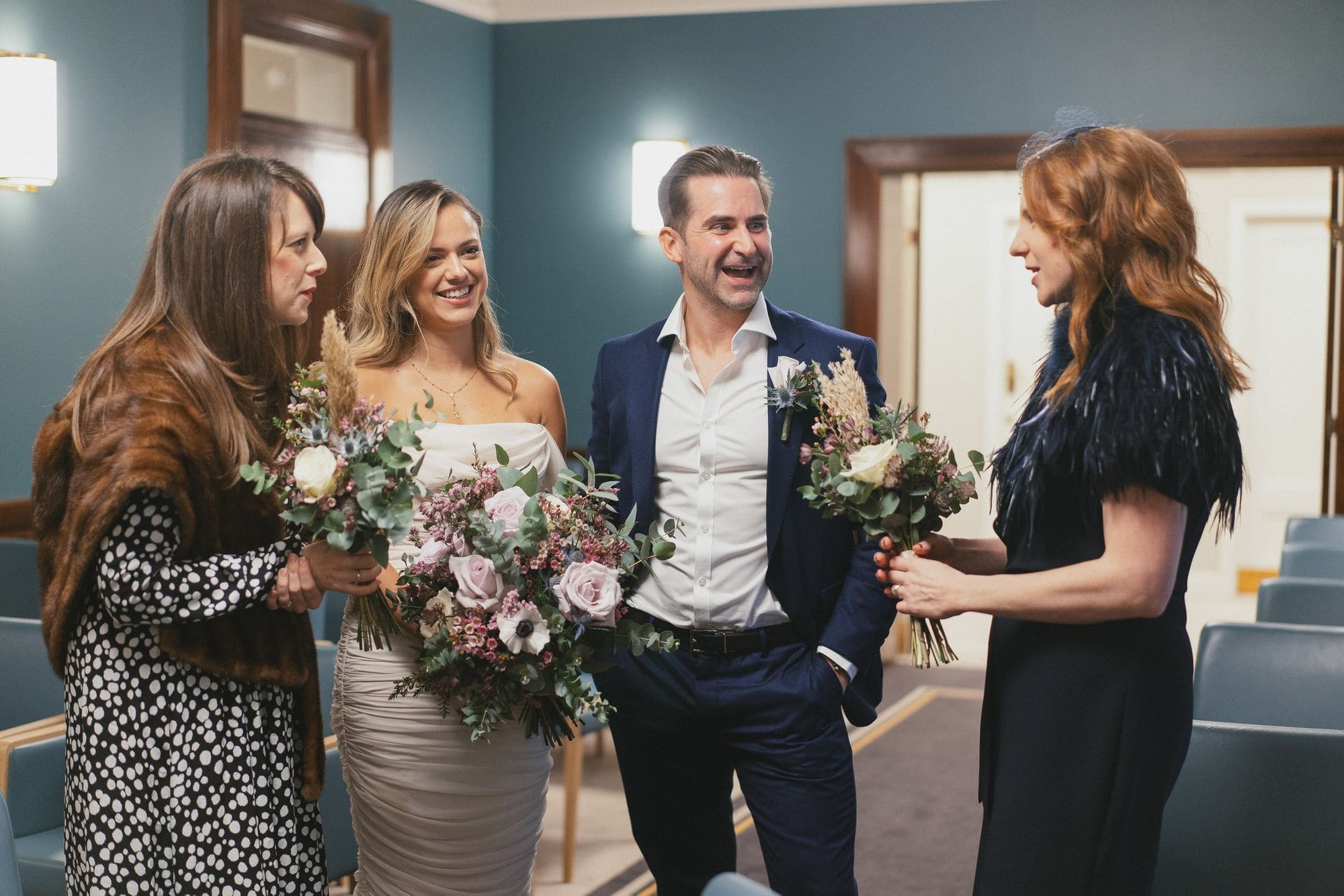
Choosing a Small Wedding in a Family That Expected More

Comments (12)
Jessica Miller
What a beautiful wedding! The rustic details are absolutely stunning. Congratulations to the happy couple!
David Thompson
Love the outdoor ceremony! The photos are gorgeous. Wishing Sarah and Michael a lifetime of happiness.