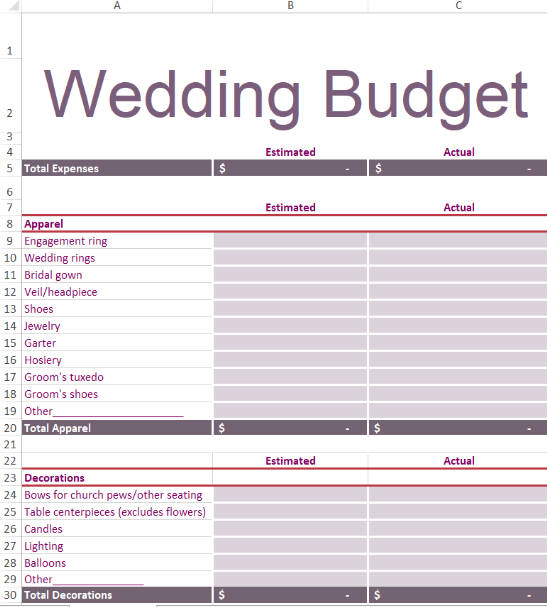
Budgeting for a wedding is often one of the most daunting challenges for engaged couples, yet it is also one of the most critical components of successful wedding planning. A well-thought-out budget functions not merely as a financial framework but as a strategic guide, allowing couples to prioritize what matters most while avoiding unnecessary stress and overspending. The first step involves open communication between partners to define financial boundaries, expectations, and priorities. This includes discussing the overall contribution from each party, whether any family members will contribute, and which aspects of the wedding carry the most emotional or experiential significance. Once these parameters are established, couples should draft a comprehensive list of anticipated expenses, which typically includes venue, catering, attire, décor, photography and videography, entertainment, transportation, accommodations, invitations, favors, and contingency reserves for unforeseen costs. Assigning realistic allocations to each category is crucial. For instance, couples may choose to invest more heavily in photography, videography, or venue ambiance if capturing memories and creating a visually memorable experience is a priority, while economizing on elements like favors or decorative extras. Comparative research is essential: visiting multiple venues, requesting detailed proposals, and comparing service packages allows couples to understand the market value of different options and identify cost-effective solutions without sacrificing quality. Couples should also account for hidden costs, including service fees, taxes, gratuities, overtime charges, and delivery or setup fees, as neglecting these can quickly derail a budget. Technology can assist greatly; using spreadsheets, budgeting apps, or wedding planning software ensures transparency, tracks changes in real time, and allows for flexible reallocation of funds as priorities shift. Creative strategies can further optimize a wedding budget. Negotiating vendor packages, bundling services, booking off-peak dates, or choosing weekday ceremonies can provide significant savings. Couples may also explore DIY elements for décor or stationery, provided they realistically assess the time and skill required, balancing cost savings against potential stress. Importantly, budgeting should not restrict creativity or personal expression; instead, it should empower couples to make intentional choices, focusing resources on the experiences and elements that matter most to them. Regular budget reviews, open communication with vendors, and contingency planning allow couples to respond to unexpected changes while maintaining financial control. In sum, a meticulously planned budget functions as both a shield against stress and a roadmap for intentional, meaningful decision-making, enabling couples to craft a wedding celebration that is memorable, personalized, and financially sustainable.
Budgeting for Your Wedding: Allocating Resources Wisely Without Compromise

Comments (12)
Jessica Miller
What a beautiful wedding! The rustic details are absolutely stunning. Congratulations to the happy couple!
David Thompson
Love the outdoor ceremony! The photos are gorgeous. Wishing Sarah and Michael a lifetime of happiness.