Mei and Daniel made a decision that unsettled nearly everyone involved in their wedding planning: there would be no rigid schedule. No minute-by-minute run of show. No tightly controlled transitions. Their only non-negotiable was presence. This choice was not casual. It emerged from accumulated fatigue. Both had attended weddings where couples seemed absent from their own celebrations—moving from cue to cue, smiling on command, managing logistics while moments passed unnoticed. Mei described those weddings as beautifully executed and emotionally empty. They wanted something different. Not rebellious. Intentional. Their planning process began with subtraction rather than addition. They removed symbolic gestures that required performance. They simplified the ceremony language. They resisted the impulse to predefine emotional peaks. The question guiding every decision was simple: does this require us to be somewhere else mentally? The ceremony space reflected this philosophy. Seating was arranged in a loose semicircle rather than formal rows, dissolving the sense of audience versus subject. There was no dramatic entrance. Guests arrived, found their places, and conversations softened naturally as Mei and Daniel joined the space rather than commanding it. Without a strict script, time behaved differently. Readings unfolded when people felt ready to speak. Music began organically, sometimes overlapping with conversation. There were pauses—real pauses—not filled with filler or cues. From an experiential design perspective, this looseness did not create chaos. It created attunement. Guests adjusted to one another rather than to a clock. Emotional responses were not synchronized, but they were sincere. Mei later reflected that she felt unusually grounded throughout the day. There was no fear of being late, no anxiety about missing a moment. When she laughed, it was not because she was supposed to. When she cried, it was not on cue. Daniel echoed this sentiment. He described the day as something he inhabited rather than performed. Without a schedule dictating his attention, he noticed small interactions—the way an older relative lingered at the edge of a conversation, the way friends instinctively filled silences rather than avoiding them. Of course, imperfections emerged. Food arrived later than expected. A speech began while another conversation was still winding down. But none of these moments registered as problems because nothing had been promised to unfold differently. Guests consistently described the wedding as calm, intimate, and unusually human. Several admitted initial skepticism that gave way to relief. Without being rushed from moment to moment, they felt permission to be fully present. From observation, control often disguises itself as care. Schedules promise safety, but they also fracture attention. Mei and Daniel’s wedding demonstrated that trust—in oneself, in guests, in shared rhythm—can generate deeper connection than flawless execution. Their approach does not suggest that structure is inherently harmful. Rather, it highlights the cost of over-structuring emotional experiences. When every moment is preassigned meaning, there is little room for meaning to arise organically. In summary, Mei and Daniel’s wedding was not memorable because it broke rules, but because it honored reality. The day unfolded as days do—unevenly, imperfectly, and truthfully. In choosing presence over precision, they created a celebration that felt lived rather than staged, and that difference was felt by everyone who attended.
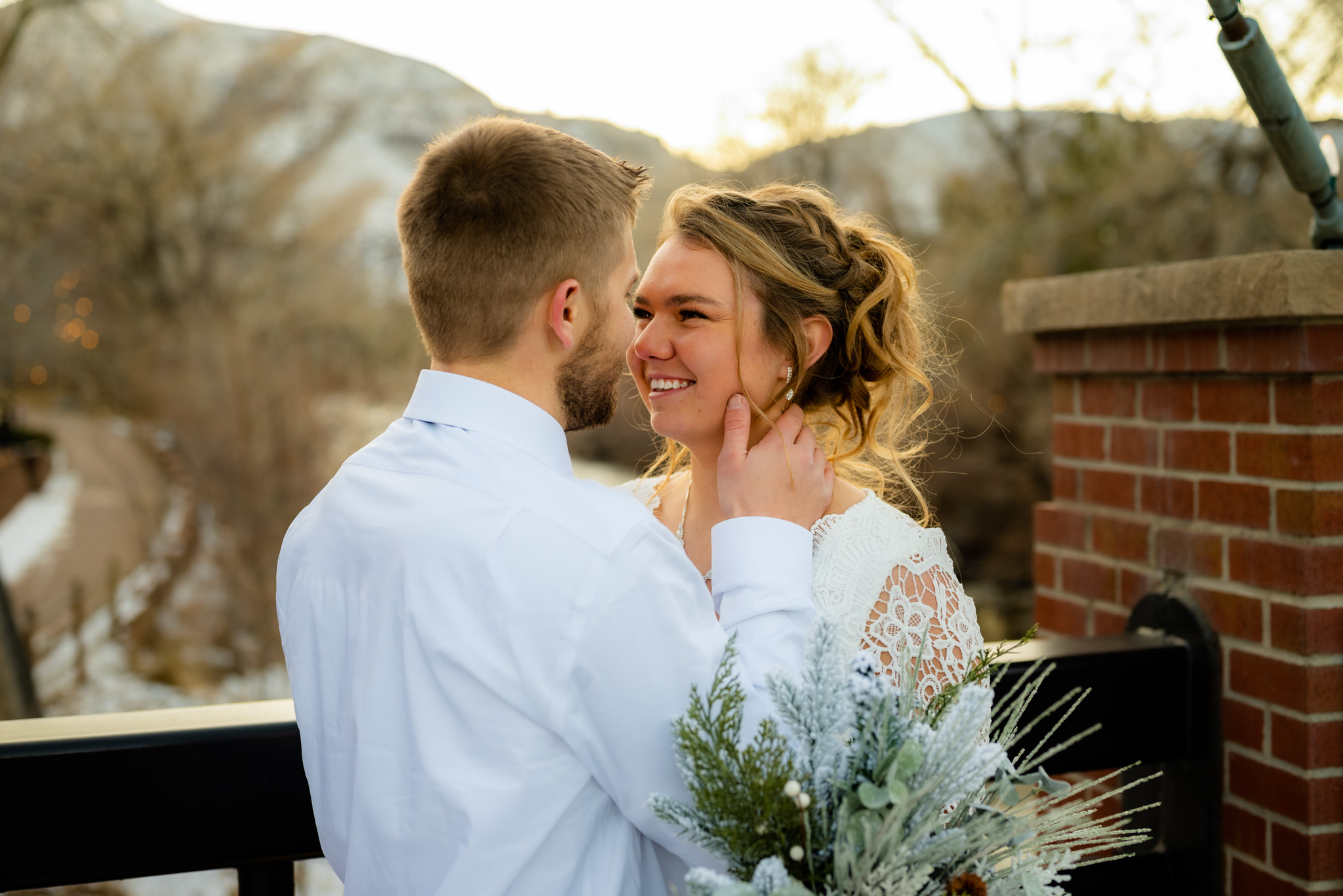
A Wedding Without a Script: Letting the Day Unfold Naturally
Comments (12)
Jessica Miller
What a beautiful wedding! The rustic details are absolutely stunning. Congratulations to the happy couple!
David Thompson
Love the outdoor ceremony! The photos are gorgeous. Wishing Sarah and Michael a lifetime of happiness.