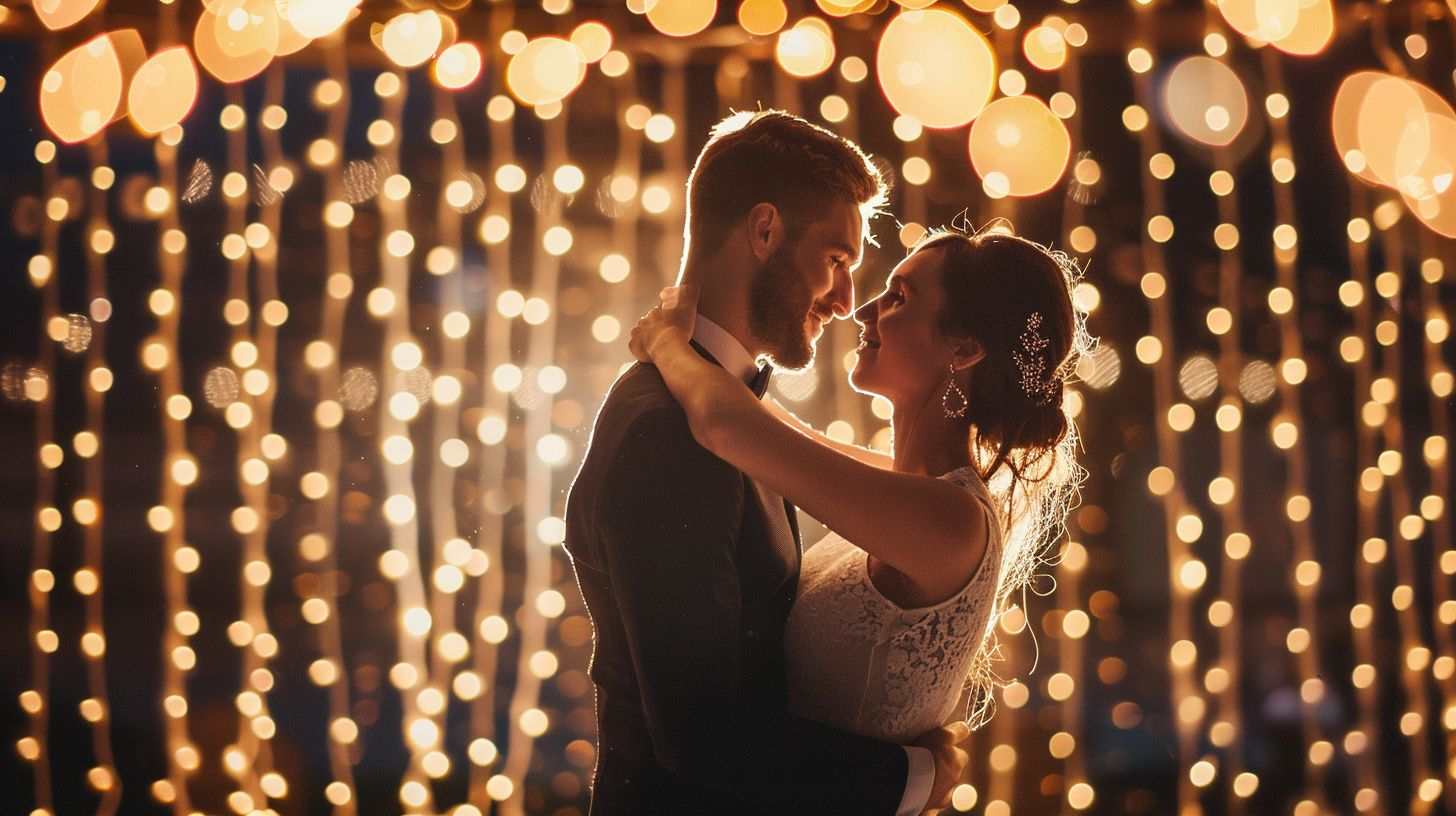
Rachel and Marcus did not enter marriage with the glow of new discovery. By the time they decided to marry, they had already lived together for eight years, navigated multiple career transitions, endured prolonged financial uncertainty, and survived a period of emotional distance that nearly ended their relationship. They did not describe this history as baggage. They described it as context. When people asked whether they were excited for the "honeymoon phase," Marcus usually smiled politely and said nothing. Rachel was more direct. "We already know what happens after the honeymoon," she would say. "That’s why we’re here." Their decision to marry was not fueled by momentum or novelty. It was shaped by familiarity—deep, sometimes unflattering familiarity. They knew each other’s conflict patterns. They knew which silences meant rest and which meant withdrawal. They knew how each reacted under stress, disappointment, and fear. This knowledge changed the tone of the wedding from the very beginning. During planning, Rachel was clear about what she did not want. She did not want vows that promised permanent emotional intensity. She did not want language that implied love should feel effortless or continuously euphoric. Marcus shared this resistance. "I don’t want to pretend we’re something we’re not," he said during an early conversation with their officiant. "We’re not naïve. We’re intentional." From a relational psychology standpoint, couples who marry after disillusionment often possess a quieter form of confidence. Their commitment is not based on anticipation, but on evidence. The ceremony language reflected this stance. Words like "adaptability," "repair," and "responsibility" replaced traditional romantic phrasing. Instead of promising to always feel the same way, they promised to notice when change occurred—and respond. There was no denial of difficulty. But there was also no dramatization of it. Guests noticed this immediately. The ceremony felt grounded. Not heavy, not cynical—simply honest. Several attendees later commented that it was the first wedding they had attended where they did not feel pressure to project happiness onto the couple. The couple already seemed at peace. The absence of spectacle was intentional. There was no emotional crescendo engineered through music or pacing. The ceremony unfolded evenly, without trying to manufacture intensity. From an observational perspective, this steadiness often indicates emotional security. When couples are no longer chasing reassurance, they stop performing for it. Rachel’s vows were particularly striking. She spoke about choosing Marcus not because he made life easier, but because he made it clearer. She acknowledged the work they had already done—and the work they would continue to do. Marcus responded with equal restraint. He spoke about learning when to stay engaged rather than defensive, and when to pause instead of escalate. These were not romantic promises. They were practical ones. The reception mirrored the ceremony’s tone. There was warmth, conversation, and laughter—but no forced exuberance. People lingered. Time stretched naturally. Rachel later said something revealing: "This was the first big moment in my life where I didn’t feel like I had to prove happiness." From an analytical standpoint, the cultural fixation on the honeymoon phase often distorts expectations. Intensity is mistaken for depth. Novelty is mistaken for connection. Rachel and Marcus offered a different model. One where commitment begins after illusion has faded. Their wedding did not attempt to freeze love at its most intoxicating stage. It acknowledged that love evolves—and that durability depends on awareness, not enchantment. In conclusion, Rachel and Marcus’s wedding challenges the assumption that romance must precede realism. Sometimes realism is what allows romance to survive. Their story suggests that the honeymoon phase is optional. Emotional literacy is not. This was not a quiet wedding because something was missing. It was quiet because nothing needed to be exaggerated.
A Wedding Without a Honeymoon Phase
Comments (12)
Jessica Miller
What a beautiful wedding! The rustic details are absolutely stunning. Congratulations to the happy couple!
David Thompson
Love the outdoor ceremony! The photos are gorgeous. Wishing Sarah and Michael a lifetime of happiness.