Naomi and Peter’s wedding day did not unfold according to plan. It began with rain—earlier than forecast, heavier than expected. The outdoor setup became unusable within minutes. Chairs were moved hastily. Guests huddled. The sound system cut in and out. The timeline, once meticulously prepared, dissolved before the ceremony even began. For many couples, this would have triggered panic. For Naomi and Peter, it revealed something fundamental. Their initial response was not denial or frustration, but recalibration. They made decisions quickly, quietly, and together. There was no visible blame, no scrambling for perfection, no attempt to disguise what was happening. This reaction did not occur by accident. In the months leading up to the wedding, Naomi and Peter had already confronted a question that many couples avoid: what is this day actually for? They recognized that weddings often become exercises in control—attempts to stabilize emotion by stabilizing circumstance. But life, they knew, does not respond to precision. They chose to treat the wedding not as a performance to be executed, but as an environment to be inhabited. That philosophy became consequential when conditions changed. As the rain intensified, guests were guided indoors. The ceremony began late. Some planned elements were abandoned entirely. Instead of apologizing repeatedly, the couple acknowledged the disruption with humor and candor. This acknowledgment altered the emotional tone immediately. Guests relaxed. Expectations softened. Attention shifted away from outcome and toward interaction. From years of observing weddings under stress, I can say this with confidence: perfection rarely produces intimacy. Response does. The vows reflected this same orientation. Naomi and Peter spoke directly about uncertainty. They referenced plans failing, expectations shifting, and the necessity of choosing each other without guarantees. There was no rhetoric of mastery over the future. Instead, there was language of adaptability, repair, and shared responsibility. The moment was not cinematic. It was grounded. What guests later remembered was not the rain, the delays, or the technical failures—but the couple’s steadiness. Their ability to remain emotionally available to one another despite disruption created a sense of trust that no flawless execution could have achieved. Psychologically, this response matters. Weddings often function as compressed simulations of partnership under pressure. When circumstances deviate from plan, couples reveal their relational reflexes: control or cooperation, blame or alignment. Naomi and Peter demonstrated alignment. Rather than framing the day as something that had gone wrong, they allowed it to become something that had gone real. The reception unfolded organically. Conversations lingered. Laughter replaced urgency. The absence of a rigid timeline allowed moments to expand naturally. Guests commented on the unusual calm that settled over the event—a calm not born of precision, but of permission. This wedding challenges a dominant narrative: that success is measured by execution. In reality, weddings succeed when they reflect how a couple navigates disruption together. From a broader perspective, Naomi and Peter’s story offers a corrective to the culture of curated perfection. It suggests that commitment is not demonstrated through flawless presentation, but through flexible presence. In conclusion, this wedding mattered precisely because nothing went perfectly. It mattered because it mirrored real partnership—responsive rather than rigid, grounded rather than performative. By relinquishing control, Naomi and Peter allowed their wedding to reveal what commitment actually feels like when circumstances fail: steady, collaborative, and deeply human.
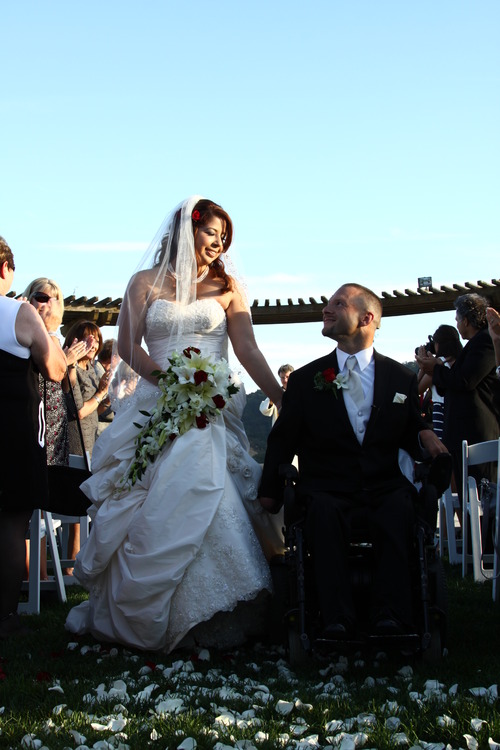
A Wedding Where Nothing Went Perfectly—and Why It Mattered

Comments (12)
Jessica Miller
What a beautiful wedding! The rustic details are absolutely stunning. Congratulations to the happy couple!
David Thompson
Love the outdoor ceremony! The photos are gorgeous. Wishing Sarah and Michael a lifetime of happiness.